For more than a century, European windows and doors have set the global benchmark for energy efficiency, security, and design. From the precision workshops of Germany and Poland to the architectural studios of Scandinavia, the continent has refined the humble window into a high-performance building component. Now American homeowners — long used to basic single- and double-pane units — are discovering what Europe has known for generations.
At Euro Windows, we bring that heritage to homeowners and builders across Utah, Nevada, and Arizona. Here is why the European standard has earned trust for generations, and why the United States is finally paying attention.
A Centuries-Old Standard of Craftsmanship
European window-making is rooted in a culture of permanence. Where many mass-market windows are designed to be replaced every 10 to 15 years, European systems are engineered to perform for decades. Strict continental energy codes — among the most demanding in the world — pushed manufacturers to innovate long before efficiency became a priority elsewhere.
The result is a category of windows and doors built around airtight seals, robust hardware, and multi-layered insulation. That obsession with quality is exactly what today’s American buyer is looking for as energy costs climb and expectations for comfort rise.
What Makes European Windows Different
The difference isn’t marketing — it’s engineering. Several features set European systems apart from conventional North American windows.
Multi-Chamber Frames
European frames use multiple internal chambers that trap air and dramatically slow heat transfer. Whether in aluminum, uPVC, or wood-clad profiles, this design delivers insulation values that standard frames simply can’t match.
Tilt-and-Turn Functionality
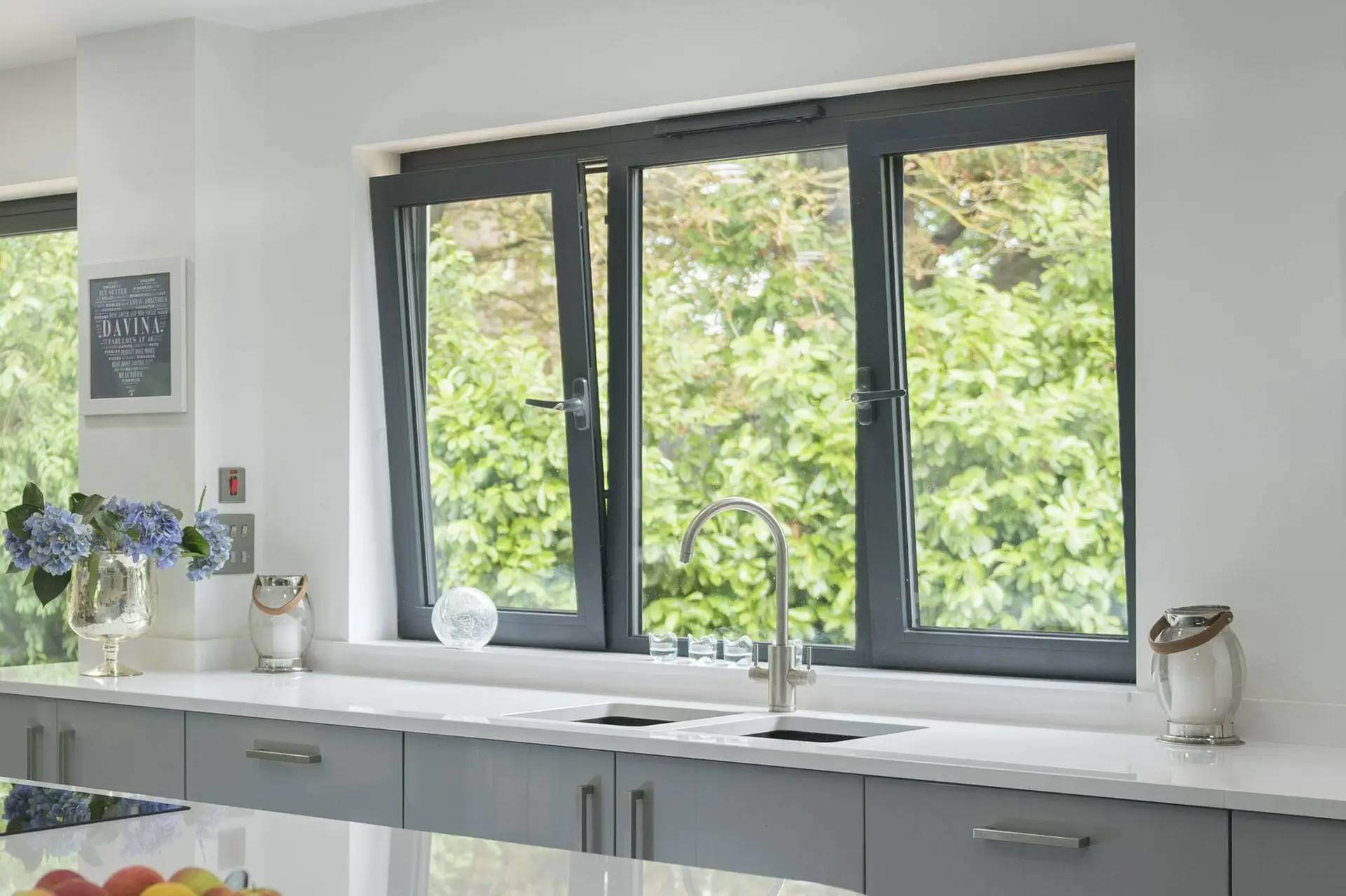
The signature European tilt-and-turn mechanism lets a single window tilt inward at the top for secure ventilation or swing fully open for cleaning and airflow. It’s a smarter, more versatile design than the typical slider or single-hung.
Multi-Point Locking
Instead of one central latch, European windows and doors secure at multiple points around the frame. This compresses the seal evenly for better weatherproofing and provides a meaningful upgrade in security.
High-Performance Glazing
Low-emissivity coatings, argon-gas fills, and warm-edge spacers come standard, reflecting heat and blocking UV while keeping interiors bright and comfortable.
Why American Homeowners Are Making the Switch
The European standard is no longer a niche import — it’s becoming the aspiration for quality-focused American homeowners. Three forces are driving the shift.
Energy Efficiency and Lower Bills
With heating and cooling making up a large share of home energy use, the airtight seals and insulated glass of European windows translate into real, ongoing savings — especially in extreme climates like the Southwest.
Comfort and Noise Reduction
Tight seals and multi-pane glazing don’t just save energy; they eliminate drafts and hot spots and noticeably reduce outside noise, creating a calmer, more consistent indoor environment.
Modern Aesthetics
Slim sightlines and large glass areas suit contemporary architecture, flooding rooms with natural light. European design has become synonymous with the clean, modern look so many homeowners now want.
European Windows in the American Climate
From the desert heat of St. George, Las Vegas, and Phoenix to the four-season swings of the Salt Lake Valley, European systems are uniquely suited to demanding conditions. Solar-control glazing blocks punishing summer heat, while superior insulation retains warmth through cold mountain winters — a versatility that ordinary windows can’t deliver.
The Hidden Cost of Conventional Windows
On paper, a budget window looks like a bargain. Over time, the math changes. Conventional single- and double-pane units lose their seal, let conditioned air escape, and force heating and cooling systems to work harder month after month. In a climate as demanding as the American Southwest, that inefficiency shows up directly on every utility bill.
There’s also the replacement cycle. Many mass-market windows are effectively disposable, needing replacement within 10 to 15 years as seals fail and frames warp or fade. European systems flip that equation — a higher initial investment that pays back through lower energy use, fewer repairs, and decades of reliable performance.
How European Windows Are Built
The European difference starts on the factory floor. Profiles are extruded to tight tolerances, welded and sealed under strict quality control, and fitted with hardware that’s tested for tens of thousands of operating cycles. Glazing units are assembled with warm-edge spacers and inert-gas fills, then sealed to resist moisture and fogging for the long term.
This is manufacturing built around longevity rather than turnover. Every component — from the gaskets to the locking mechanisms — is specified to outlast the kind of wear that causes ordinary windows to fail early. It’s the same philosophy that has made European windows the trusted choice across the continent for generations.
Frequently Asked Questions
Are European windows worth the investment?
For most homeowners, yes. The combination of lower energy bills, greater comfort, enhanced security, and a much longer lifespan typically outweighs the higher upfront cost — especially over the decades these systems are designed to last.
Do European windows fit American homes?
Absolutely. European windows and doors are made to measure for each opening, so they suit both new construction and replacement projects in American homes. Our team handles precise measuring and professional installation.
How long do European windows last?
With quality materials and proper installation, European windows commonly last 30 years or more, far outlasting typical mass-market units — and ours are backed by a lifetime warranty.
What Generations of European Engineering Actually Means
When we say Europe has trusted these windows for generations, it is not marketing language — it reflects a genuinely different design philosophy. In much of Europe, windows are treated as long-term building components expected to perform for decades, not disposable parts to be swapped out every fifteen years. That expectation shapes everything: the density and stability of the frame materials, the precision of the multi-point hardware, the quality of the gaskets, and the rigor of the testing each system undergoes before it reaches a home.
The result is a window that seals tighter, insulates better, and operates more smoothly for far longer than the builder-grade norm. European tilt-and-turn and casement systems compress against a continuous gasket when closed, eliminating the air leakage that plagues sliding windows, and their hardware is rated for tens of thousands of open-and-close cycles. This is the heritage behind the products we install — engineering refined over generations and proven in some of the most demanding climates in the world. You can see the range across our windows and doors collections.
Bringing European Windows to American Homes
Translating that European standard to homes in Utah, Nevada, and Arizona is where the real value emerges. The Southwest’s intense sun, wide temperature swings, and blowing dust demand exactly the qualities European windows are built around: a tight seal, strong thermal performance, and durable materials that resist warping and fading. Pairing time-tested European engineering with glazing tuned for our cooling-dominated climate produces windows that are comfortable, quiet, and efficient year-round.
It also means homeowners here get access to options that go well beyond the typical American window aisle — true tilt-and-turn operation, slim aluminum frames carrying expansive glass, naturally insulating uPVC, and warm wood-clad interiors. The heritage is European; the application is built specifically for the way Southwest homes live and the conditions they face.
Frequently Asked Questions
What makes European windows different from standard American windows?
European windows typically use tilt-and-turn or casement operation with multi-point locking and a continuous compression seal, rather than sliding mechanisms. This delivers a tighter seal, better insulation, and longer-lasting hardware.
Are European windows worth the investment?
For most homeowners, yes. The combination of energy savings, comfort, durability, and quiet operation pays back over the long life of the windows — and they are built to last decades rather than years.
Do European windows work well in the desert Southwest?
Exceptionally well. Their tight seal and strong thermal performance are ideal for keeping cooling costs down and blocking dust, and the glazing can be tuned for high heat with low-E coatings.
What frame materials are available?
European windows come in uPVC, aluminum, and wood-clad, each with distinct strengths in insulation, slimness, and aesthetics. The right choice depends on your priorities and home style.
How long do European windows last?
With minimal maintenance, quality European windows routinely last 30 years or more, thanks to durable materials and hardware engineered for heavy use.
A Standard Worth Bringing Home
Choosing windows that Europe has trusted for generations is really about choosing peace of mind. These are systems designed to be installed once and enjoyed for decades — quieter rooms, lower energy bills, effortless operation, and a tight seal against the heat and dust of the Southwest. Rather than settling for the disposable standard, you are investing in engineering that has already proven itself in millions of homes across some of the most demanding climates on earth. We help homeowners throughout our service areas bring that standard home, matching the right European system to each project. If you are ready to experience the difference, contact Euro Windows for a free consultation and quote.
Bringing the European Standard to Your Home
You don’t have to travel across the Atlantic to enjoy European quality. Euro Windows distributes and installs premium European windows and doors throughout the Southwest, with expert local consultation, custom measuring, and professional installation — all backed by a lifetime warranty.
Generations of European homeowners have trusted these systems for comfort, efficiency, and lasting beauty. Now it’s your turn. Request a free consultation or call (435) 899-9862 to see why the European standard is finally taking hold in America — one home at a time.