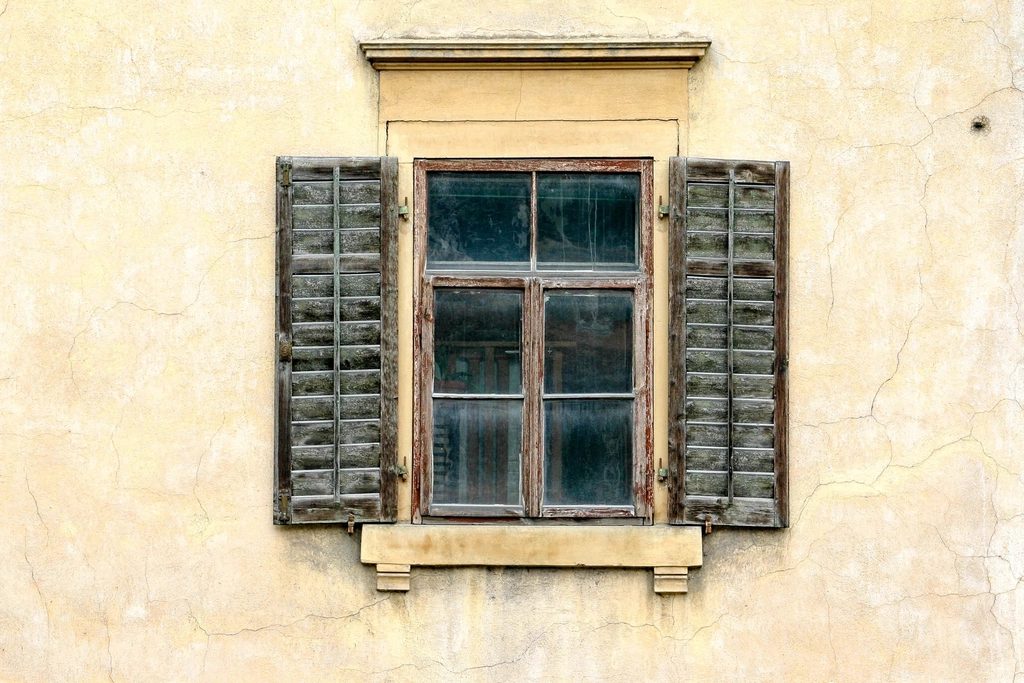
Windows rarely fail all at once. They decline slowly — a draft here, a stuck sash there, a creeping utility bill — until one day you realize they are costing you comfort and money every single day. Because the change is gradual, many homeowners live with failing windows far longer than they should. Knowing the warning signs helps you act before the problems pile up.
At EuroWindows, we help homeowners across Utah, Nevada, and Arizona decide when it is time for an upgrade. Here are seven clear signs your windows are ready for replacement.
1. You Feel Drafts (Even When Windows Are Closed)
If you can feel air moving near a closed window, the seal or the frame is failing. Drafts mean your conditioned air is escaping and outdoor air is leaking in — forcing your HVAC to work harder. Modern European windows seal tightly against a continuous gasket, eliminating the drafts that plague older windows. We explain how to track these down in our guide to window issues and air leaks.
2. Your Energy Bills Keep Climbing
If cooling costs creep up year after year with no other explanation, your windows may be the leak. Old single-pane or worn windows let solar heat pour in and conditioned air escape. Replacing them with low-E, properly sealed windows often pays back through noticeably lower bills — especially through a long Southwest summer.
3. Condensation or Fog Between the Panes
Moisture trapped between the panes of a double-glazed window — fog you cannot wipe away from either side — means the sealed unit has failed and lost its insulating gas. That window is no longer doing its job and will not recover. It is one of the clearest signs replacement is due.
4. Windows Are Hard to Open, Close, or Lock
Sashes that stick, cranks that grind, or locks that no longer line up signal worn hardware and frames that have shifted or swollen. Beyond the daily frustration, a window that will not close or lock properly is an energy and security problem. Smooth operation is one of the underrated pleasures of new windows.
5. You Hear Too Much Outside Noise
If traffic, neighbors, and street noise come through loud and clear, your windows are not blocking sound — usually because they are single-pane or poorly sealed. New multi-pane windows with a tight seal dramatically quiet a home, as we cover in our soundproof windows guide.
6. Visible Damage, Rot, or Decay
Cracked panes, peeling or rotting frames, water stains on the sill, or soft spots in the wood are clear red flags. Damaged windows let in water and air and only get worse with time. Modern uPVC and aluminum frames resist rot, rust, and decay entirely.
7. They Look Dated or Hurt Your Curb Appeal
Sometimes the windows still function but simply look tired — yellowed frames, outdated styles, or mismatched replacements that drag down your home’s appearance. Since windows are one of the most visible features of a facade, refreshing them is one of the highest-impact ways to modernize your home and boost its value.
The Cost of Waiting
It is tempting to put off window replacement, but failing windows quietly cost you every month — in higher bills, lost comfort, and a home that is harder to cool, quiet, and secure. Worse, water intrusion from damaged frames can lead to bigger repairs over time. Acting when you notice these signs turns ongoing waste into lasting comfort and savings, and protects your home from further damage.
What to Do Next
If you recognize even two or three of these signs, it is worth a professional assessment. A good installer will inspect your windows, identify whether repair or replacement makes sense, and recommend the right glass and frame for your climate. We provide free, no-pressure evaluations across our service areas and help you prioritize — you do not always have to replace everything at once.
The Hidden Costs of Holding Onto Old Windows
It is easy to view failing windows as a problem you can keep putting off, but old windows quietly cost you money the entire time you delay. Drafty, single-pane, or poorly sealed windows let conditioned air escape and let solar heat and cold pour in, forcing your HVAC to run longer and harder through both the long cooling season and the cold desert nights. That shows up month after month as higher utility bills. Beyond energy, damaged frames can allow water intrusion that leads to rot, mold, or structural repairs far more expensive than the windows themselves. There is a comfort cost too — rooms you avoid because they run hot or cold, and the daily frustration of windows that stick or will not lock. Add it all up and waiting is rarely the cheaper option; it simply spreads the cost out invisibly while the underlying problems get worse.
Repair vs. Replace: How to Decide
Not every window problem demands replacement, and knowing the difference saves money. Minor issues — worn weatherstripping, a loose latch, cracked exterior caulk — are often inexpensive repairs that restore a fundamentally sound window. But certain signs point clearly to replacement: fog sealed between the panes (a failed glass unit that cannot be restored), single-pane glass in a climate that demands better, frames that are rotted or warped, drafts that persist even after sealing, and windows so old or damaged that repairs would only be a temporary patch. A good rule of thumb is that if you are repeatedly fixing the same window, or if the repair only addresses a symptom of an aging unit, replacement is the better long-term value. A professional assessment removes the guesswork.
What to Expect From the Replacement Process
Many homeowners delay replacement because they imagine a disruptive, drawn-out project, but modern replacement is far smoother than expected. For most homes with sound existing openings, replacement windows fit into the current opening without tearing into walls, siding, or interior trim, which keeps the work clean and relatively quick. The process starts with an assessment and precise measurements, followed by the manufacture of windows built to fit, and then a professional installation that seals and insulates each unit properly. A knowledgeable installer protects your home during the work and leaves it clean afterward. Understanding that the process is manageable — and that you do not have to live through a major remodel — makes the decision to finally upgrade much easier.
Prioritizing Which Windows to Replace First
You do not always have to replace every window at once, and prioritizing can make an upgrade more affordable. Start with the worst offenders: the drafty, foggy, or sun-baked windows that hurt comfort and efficiency the most, and the most visible windows that drag down curb appeal. West- and south-facing windows that take the brunt of the afternoon sun often top the list in the Southwest. Replacing several at once usually lowers the per-window cost, so grouping the priority windows into one project is smart. Phasing the rest over time lets you spread the investment while still capturing the biggest improvements right away — a practical path many homeowners take.
Choosing a Quality Replacement
When you do replace, the quality of the windows and the installation determines how long you enjoy the benefits. Look for energy-efficient low-E glazing tuned for the Southwest, a tight-sealing operating style like tilt-and-turn or casement, a durable frame material that suits your priorities, and multi-point locking for security and a better seal. Just as important, insist on professional installation, since even an excellent window underperforms if installed poorly and may lose its warranty. Choosing well the first time means you upgrade once and enjoy decades of comfort, savings, and curb appeal rather than facing the same problems again in a few years.
Frequently Asked Questions
How long do windows typically last?
Quality windows last around 20–30 years or more, but performance declines well before failure. Drafts, fogging, and rising bills often appear years before a window truly gives out.
Is fog between the panes fixable?
The sealed glass unit has failed and cannot be restored by cleaning. Depending on the window, the glass unit can sometimes be replaced, or it may be time to upgrade the whole window.
Do I have to replace all my windows at once?
No. Many homeowners start with the worst offenders — the drafty, foggy, or sun-baked windows — and phase the rest. Replacing several at once usually lowers the per-window cost, though.
Will new windows really lower my bills?
In most cases, yes — especially if you are replacing old single-pane or failing windows. Low-E glazing and tight seals reduce the load on your AC every cooling season.
What is the first sign people usually notice?
Often it is drafts or rising energy bills, followed by windows that stick or fog. Any one of these is worth investigating.
Time for an Upgrade?
If your windows are showing their age, a professional assessment is the easy first step. Contact EuroWindows for a free evaluation and quote across Utah, Nevada, and Arizona — and let’s find out exactly what your windows need.