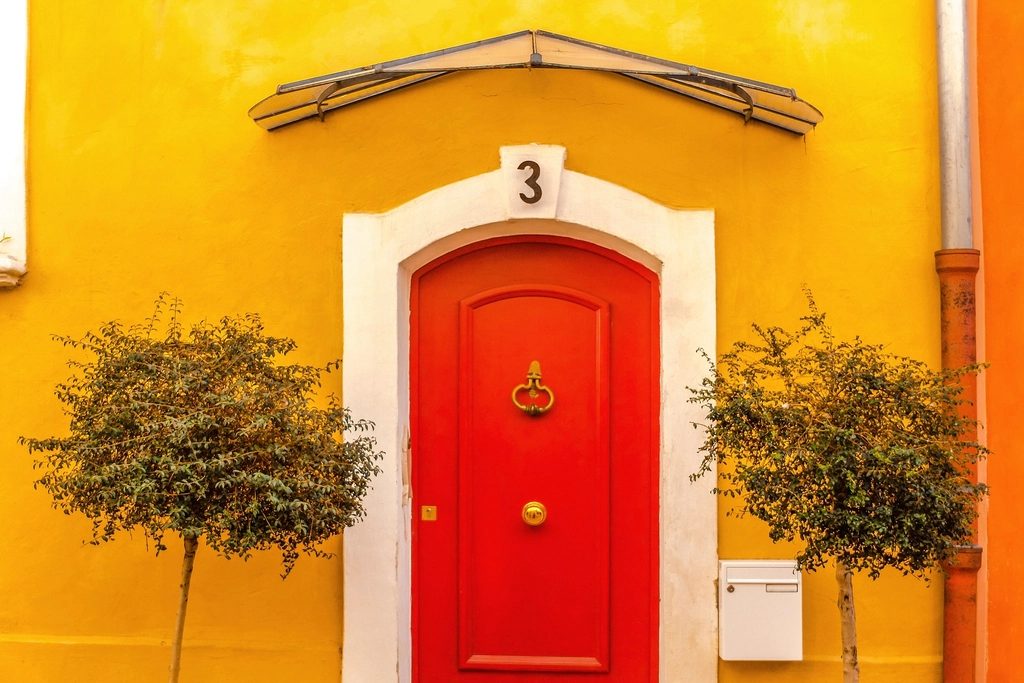
Your front door is the focal point of your home’s facade — the first thing visitors notice and one of the most cost-effective ways to refresh your curb appeal. The right color and style can make a house look polished, welcoming, and current; the wrong one can leave it feeling dated or disjointed. Best of all, updating your entry is one of the highest-impact, lowest-cost improvements you can make. Here is how to get it right.
At EuroWindows, we help homeowners across Utah, Nevada, and Arizona choose entry doors that make a statement. Here is your guide to color and style.
Start With Your Home’s Architecture
The most important rule is that your door should feel like it belongs. A sleek, flush slab door suits modern and contemporary homes; a paneled door complements traditional, craftsman, and transitional architecture; and a door with glass lites or sidelights brings light and elegance to many styles. Before choosing a color, choose a style that harmonizes with your home’s lines and era — that is what makes an entry look intentional rather than accidental.
Choosing a Door Color
Bold statement colors
A confident front-door color — deep blue, rich green, black, or a warm red — draws the eye and signals personality. Bold doors work beautifully against neutral facades and are a designer favorite for instant curb appeal. Black, in particular, has become a timeless, sophisticated choice that suits nearly every style.
Warm, natural wood tones
A natural or stained wood door (or a wood-look finish) brings warmth and texture, pairing especially well with modern, craftsman, and desert-contemporary homes. It feels organic and high-end.
Coordinated neutrals
If you prefer subtlety, a door in a refined neutral that complements your trim and exterior palette creates a clean, cohesive look. The key is choosing a shade with enough contrast to still feel like a focal point.
Consider the Southwest Light and Heat
Color behaves differently under the intense Southwest sun. Very dark colors absorb more heat, which can be a consideration for a door in full afternoon sun — both for the surface temperature and for long-term finish durability. Choose quality, fade-resistant finishes built for high UV exposure, and remember that a sun-baked, dark, or glass door may benefit from some shade or a quality finish engineered for the climate. The bright desert light also tends to wash out very pale colors, so slightly richer tones often read better here.
Don’t Forget Hardware and Details
The handle, lock, hinges, and any kick plate or knocker are the jewelry of your entry. Coordinate them in a consistent finish — matte black, brushed nickel, brass, or bronze — for a pulled-together look. Glass inserts, sidelights, and transoms add light and can dramatically change the door’s character. These details are what elevate a good door to a great entrance.
Matching the Door to the Whole Home
Your front door should relate to the rest of your exterior — including your windows. Coordinating the door’s finish or accents with your window frames creates a harmonious facade. If you are updating windows and the door together, it is a chance to unify the whole look. Explore the options on our modern entry doors page, and for a true showstopper, consider a pivot door.
Beyond Looks: Performance Matters Too
A beautiful door should also perform. Look for an insulated core, a tight perimeter seal, and multi-point locking for security and efficiency — the same principles that make our windows perform. The best entry door is one that looks stunning and keeps the heat out, the conditioned air in, and your home secure.
Quick Tips for Choosing
- Match the style to your architecture first, then choose color.
- Use a bold color against a neutral facade for maximum impact.
- Pick fade-resistant finishes built for intense sun.
- Coordinate hardware in a single consistent finish.
- Relate the door to your window frames for a cohesive look.
- Don’t sacrifice insulation, sealing, and security for looks — get both.
Popular Front Door Color Trends
Front door color trends evolve, but a few choices have proven genuinely timeless. Black remains the most versatile and sophisticated option, lending crisp definition to nearly any facade from modern to traditional. Deep, saturated hues — navy and midnight blue, forest and sage green, and rich charcoal — have become enduring favorites for adding personality without shouting. Warm woods and wood-look finishes continue to suit desert-contemporary and craftsman homes, bringing natural warmth to the entry. Bolder statement colors like a deep red or a cheerful teal can work beautifully against a neutral exterior for homeowners who want their door to be a focal point. The key is choosing a color you will love for years, since a front door is not something you repaint on a whim, and selecting a shade that flatters your home’s style rather than chasing a passing fad.
Coordinating Color With Your Home’s Palette
A front door color works best when it relates thoughtfully to the rest of the exterior. Consider your siding or stucco color, your trim, your roof, and even your window frames, and aim for a door that provides enough contrast to stand out as a focal point without clashing. A bold door reads beautifully against a neutral facade, while on a busier exterior a more restrained, coordinated tone keeps things from feeling chaotic. Pulling a subtle accent color from elsewhere on the home — a roof tone or a stone accent — can tie the whole palette together. Viewing the door as part of the home’s overall color story, rather than an isolated decision, is what produces a result that looks designed and harmonious from the curb.
Finishes That Last in the Desert Sun
In the Southwest, the finish matters as much as the color, because the intense UV and heat are hard on any exterior surface. Quality, fade-resistant finishes engineered for high sun exposure hold their color far longer than ordinary paint, which can chalk and fade quickly in the desert. Darker colors absorb more heat and can be more demanding on a sun-blasted entry, so on a south- or west-facing door it is worth choosing both the color and the finish with durability in mind, and considering whether the entry gets any shade. A factory-applied or premium finish on a quality door keeps your chosen color looking rich and even for years, protecting both the appearance and the door itself from the harsh climate.
Hardware as the Finishing Touch
The hardware is the jewelry that completes a front door, and coordinating it elevates the whole entry. Choose a consistent finish for the handle, lock, hinges, and any knocker, kick plate, or house numbers — matte black, brushed nickel, satin brass, and oil-rubbed bronze are all popular, each setting a different mood. The hardware finish should complement both the door color and the home’s overall style; black hardware sharpens a modern look, while brass or bronze warms a traditional one. Beyond appearance, quality hardware operates smoothly and adds security, so it is worth investing in pieces that look good and function well. Thoughtful hardware turns a nice door into a polished, cohesive statement.
When to Repaint vs. Replace the Door
Sometimes a fresh color is all an entry needs, and sometimes the door itself is the problem. If your door is structurally sound, seals well, and simply looks dated or faded, repainting or refinishing in a current color is an inexpensive, high-impact refresh. But if the door is drafty, poorly insulated, warped, hard to operate, or showing its age in ways paint cannot hide, replacing it delivers far more — better efficiency, security, and curb appeal all at once, with the added benefit of choosing a new style and color together. Weighing the door’s condition against your goals tells you whether a weekend of painting will do or whether it is time to invest in a new entry that performs as good as it looks.
Frequently Asked Questions
What is the most popular front door color?
Black, deep blue, and rich green are perennial favorites for their timeless, sophisticated look, while natural wood tones suit warmer, contemporary styles. The best choice complements your facade.
Do dark front doors get too hot in the Southwest?
Dark colors absorb more heat, so on a sun-exposed entry, choose a quality finish built for high UV and consider the door’s exposure. Shaded entries have more freedom with dark colors.
How do I pick a style that fits my home?
Match the door to your architecture — flush slabs for modern homes, paneled doors for traditional styles, glass lites where you want light. The door should look like it belongs.
Does a new front door really boost curb appeal?
Significantly. The front door is a focal point, and updating its color and style is one of the highest-impact, most cost-effective exterior improvements.
Should my door match my windows?
Coordinating finishes and accents between the door and window frames creates a cohesive, intentional facade — a detail that makes a home look designed.
Make a Statement at Your Entry
The right door color and style transform your home’s first impression. We will help you choose an entry door that is as beautiful as it is high-performing. Contact EuroWindows for a free consultation across our service areas in Utah, Nevada, and Arizona.