One of the first questions every homeowner asks about new windows is also the hardest to answer in a single number: “What will it cost?” The honest truth is that window replacement pricing varies widely — two homes on the same street can get very different quotes for legitimate reasons. Rather than throw out a figure that may not apply to your project, this guide explains the factors that actually move the price, so you can understand your quote and spend where it counts.
At EuroWindows, we provide transparent, itemized quotes across Utah, Nevada, and Arizona. Here is what goes into them.
1. Frame Material
Material is one of the biggest cost drivers. uPVC typically offers the best insulation-per-dollar and is the value leader, while aluminum commands a premium for its strength and the slim frames that carry large glass. Wood-clad frames sit at the higher end, reflecting the natural timber interior. The right material is the one that fits your priorities — not simply the cheapest line item.
2. Glazing Package
What is between the panes matters as much as the frame. Double versus triple glazing, the quality of the low-E coating, argon gas fill, and warm-edge spacers all affect both price and performance. In our climate, a strong low-E package is money well spent because it pays back in cooling savings. We break this down in our guides to triple-pane glass and energy-efficient windows for the desert.
3. Window Style
Operating style influences cost. Fixed picture windows are generally the most economical because they have no moving parts, while operable styles like tilt-and-turn and casement include hardware that adds to the price — and delivers ventilation, easy cleaning, and that tight European seal in return. Specialty shapes and oversized units cost more to manufacture.
4. Size and Quantity
Larger windows use more material and heavier glass, raising the per-unit price. At the same time, replacing more windows at once usually lowers the cost per window, since mobilization and labor are spread across the whole project. A whole-home replacement is rarely the sum of single-window prices — it is typically more efficient.
5. Installation Complexity
The condition behind your existing windows has a real effect. A straightforward swap into sound openings is the most economical scenario. If there is rot, water damage, out-of-square framing, or you are changing the size or style of an opening, the additional labor and materials add cost. A good installer inspects for this up front so there are no surprises later.
6. Glass and Hardware Upgrades
Options like obscured or tempered glass, upgraded handles and finishes, integrated blinds, and enhanced security hardware each add to the total. These are worthwhile where they matter and easy to skip where they do not — a detailed quote lets you see exactly what each upgrade costs.
How to Get the Best Value
Value is not the same as cheapest. A few principles consistently lead to a smart investment:
- Bundle the project. Replacing windows together lowers the per-unit cost versus piecemeal jobs.
- Invest in the seal and glazing. The efficiency you build in now pays back every cooling season.
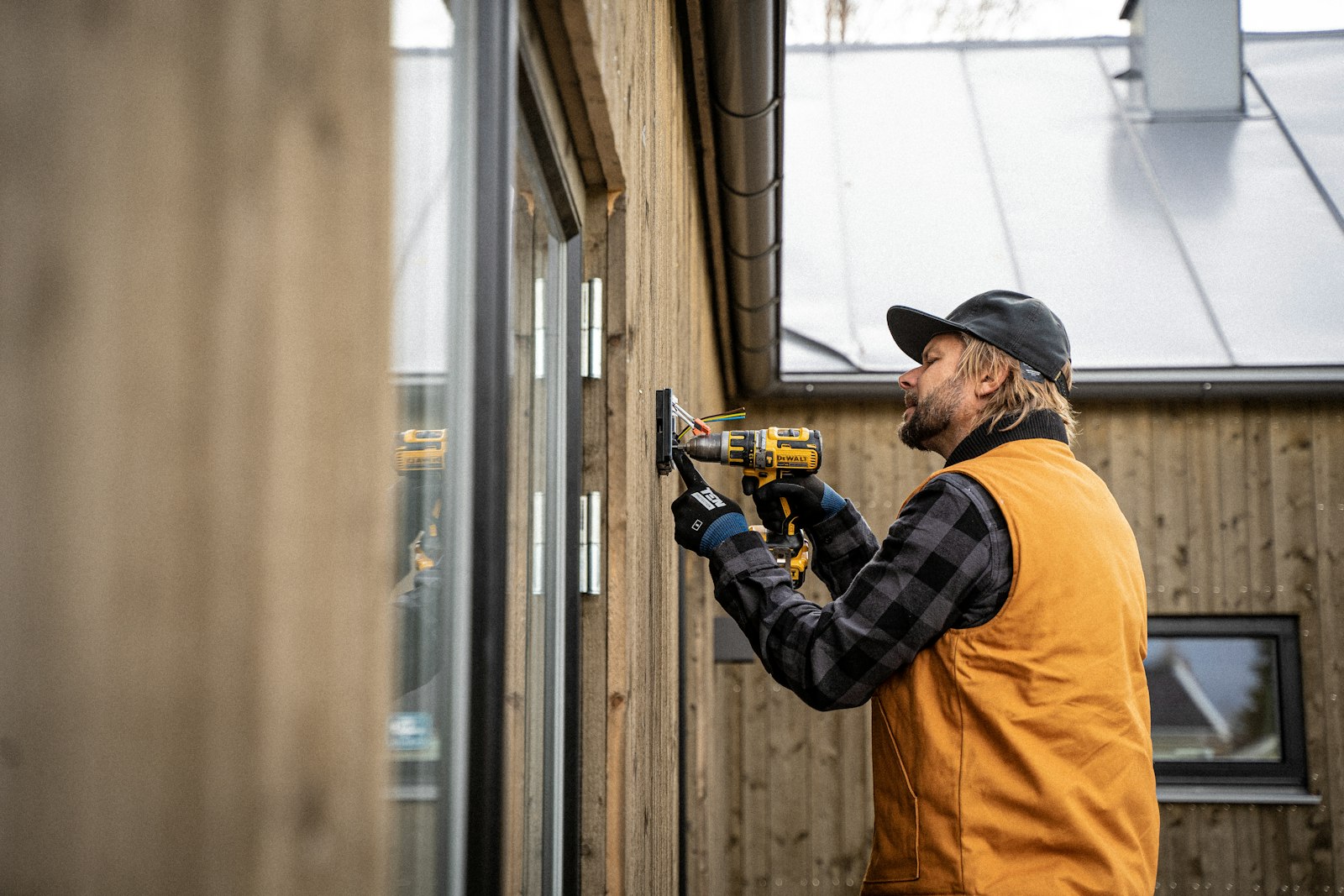
- Insist on professional installation. Even the best window underperforms if it is installed poorly — proper installation protects both performance and warranty.
- Get an itemized quote. Line-item pricing lets you compare fairly and decide which upgrades are worth it.
How to Budget for a Window Project
Approaching a window project with a clear budget framework makes the whole process less stressful and the quotes easier to compare. Start by separating needs from wants: efficiency and a sound, well-sealed installation are the core investment, while premium finishes, specialty glass, and upgraded hardware are options you can add where they matter most. Decide whether you are replacing every window at once or phasing the work, since doing more at once usually lowers the cost per window. Then set a realistic range rather than a single number, because the final figure depends on the choices you make across material, glazing, style, and installation complexity.
It also helps to think in terms of value over the life of the windows, not just the upfront price. A slightly higher investment in better glazing and a quality seal pays back through lower cooling bills every summer in the Southwest, while cutting corners on installation can undermine even an excellent window. Framing the budget around long-term performance keeps the focus on what actually matters once the windows are in.
Financing and Phasing Your Replacement
Not every project has to happen in a single weekend or a single payment. If replacing every window at once stretches the budget, a phased approach lets you prioritize the windows that matter most first — typically the worst offenders on the hot west and south sides of the home, or the rooms where comfort is poorest. Tackling those first delivers the biggest immediate improvement while spreading the investment over time. Many homeowners also explore financing options to capture the energy savings of a full-home upgrade now rather than waiting. The right path depends on your priorities and budget, and a good installer will help you sequence the work so each phase delivers real benefit.
Questions to Ask Before You Sign
A transparent quote and a trustworthy installer protect your investment. Before committing, ask what exactly is included — removal and disposal of the old windows, materials, labor, and any necessary repairs to the opening. Ask about the warranty on both the windows and the installation, the glazing and frame specifications, and the expected timeline. Clarify whether the quote is itemized so you can see the cost of each upgrade. Most importantly, confirm that professional installation is included, because even the best window underperforms and may void its warranty if installed poorly. Clear answers up front prevent surprises later.
Frequently Asked Questions
Why do window quotes vary so much?
Because so many factors feed into them — frame material, glazing package, window style, size, quantity, and the condition of the existing openings. Two homes can legitimately receive very different quotes.
Is it cheaper to replace all my windows at once?
Usually the cost per window is lower when you do them together, since labor and mobilization are spread across the whole project rather than repeated for each visit.
Does the frame material change the price much?
Yes. uPVC typically offers the best value, aluminum commands a premium for its strength and slim frames, and wood-clad sits at the higher end.
What adds unexpected cost to a window project?
Hidden issues behind the existing windows — rot, water damage, or out-of-square framing — and changes to the size or style of an opening. A thorough inspection up front prevents surprises.
Are expensive windows always better?
Not necessarily. Value is about matching the window to your priorities and climate. A well-specified mid-range window, properly installed, often beats a premium one chosen poorly.
How do I get the best value?
Bundle the project, invest in the seal and glazing that pay back in energy savings, insist on professional installation, and get an itemized quote so you can compare fairly.
How do I get an accurate price for my home?
The only accurate price comes from a measured, in-home assessment of your actual windows and choices. Contact us for a free, no-obligation itemized quote.
What Your Investment Actually Buys
It is worth remembering what new windows deliver beyond the line items on a quote. A quality replacement project buys lower cooling bills through the long Southwest summer, a quieter and more comfortable home, and an end to the drafts, hot spots, and foggy glass of failing units. It buys curb appeal and resale value, since efficient, attractive windows signal a well-maintained home to buyers. And it buys peace of mind, with modern multi-point locking and durable seals built to last decades. When you weigh the price, weigh it against years of comfort, savings, and security rather than treating windows as a one-time expense.
That perspective also helps you spend wisely. Putting your budget toward the glazing, sealing, and installation quality that drive real-world performance — and adding premium finishes only where they matter to you — gets the most from every dollar. Done thoughtfully, a window project is less a cost and more an upgrade that quietly pays you back, season after season, for as long as you own the home.
Why Local Expertise Matters for Your Quote
Window pricing is not just a national average applied to your address — it reflects the realities of where you live. In Utah, Nevada, and Arizona, the dominant cooling load means the glazing and sealing choices that drive cost are also the ones that pay back fastest, so a quote built around local conditions tends to be a smarter investment than a generic one. Local knowledge also matters for the practical side of installation: how openings in regional construction are typically built, how intense sun and dust affect material choices, and which configurations hold up best over time. We provide free, itemized, no-pressure quotes across our service areas, measured against your actual home rather than a spreadsheet, so the number you receive reflects both fair pricing and what will genuinely perform where you live.
Get a Real Number for Your Home
The only accurate price is one based on your actual windows, openings, and choices. We provide free, no-obligation, itemized quotes across our service areas in Utah, Nevada, and Arizona. Contact EuroWindows and we will measure, assess, and give you a clear, transparent quote — with no pressure.
Window Replacement Near You
Planning a replacement project? Explore our energy-efficient aluminum windows in St. George, Salt Lake City, Las Vegas, and Phoenix — or call (435) 899-9862 for a free, no-pressure quote.
Get exact 2026 pricing — request a free quote on European windows.