If you’ve ever traveled through Europe, you’ve probably noticed how different the windows look compared to traditional American styles. They’re sleek, sturdy, and often open in ways that feel both practical and elegant. These are European windows, and in recent years, they’ve become increasingly popular in the United States.
Homeowners love them for their modern appearance, superior energy efficiency, and versatility. Among the most popular are tilt-and-turn windows, which offer two opening options in a single frame. But here’s the real question many homeowners ask: how to install European windows in your home the right way?
That’s exactly what we’ll explore in this guide. You’ll discover the benefits of European windows, what’s required for proper installation, a step-by-step breakdown of the process, common mistakes to avoid, and how to care for your new windows so they last for decades. Whether you’re a hands-on DIY enthusiast or simply want to understand what to expect when hiring professionals, this article will give you the clarity and confidence you need.
Key Takeaways
- European windows offer style, efficiency, and durability that often surpass traditional American window systems.
- Installing them correctly requires attention to measurement conversions, compliance with building codes, and sealing methods.
- A precise installation makes the difference between windows that perform well for 30 years and ones that fail prematurely.
- With the right care and maintenance, European windows are a long-term investment that boosts comfort and home value.
Benefits of European Windows
So, what makes these windows stand out? Let’s break down the biggest reasons why homeowners are making the switch.
1. Superior Energy Efficiency
European windows are designed with performance in mind. Their multi-chamber frames reduce heat transfer, while triple-sealed gaskets prevent air leakage. Many also come with double or triple glazing, which acts like a thermal blanket for your home. The result? Lower heating bills in the winter, cooler interiors in the summer, and a smaller carbon footprint year-round.
2. Tilt-and-Turn Flexibility
Unlike traditional single- or double-hung windows, tilt-and-turn windows give you two options: tilt them inward at the top for a gentle flow of fresh air or swing them open like a door for maximum ventilation. This dual function is not just convenient; it’s also a great safety feature, especially for families with kids and pets.
3. Enhanced Security
European windows typically use multi-point locking systems. Instead of locking at just one point, the sash locks into the frame at several points, making it far more secure against break-ins. The tilt function also allows safe ventilation without compromising security.
4. Clean, Modern Design
These windows are known for their minimalist lines and slim frames, which means more glass and more natural light. They blend seamlessly into both modern homes and older houses, looking for a contemporary upgrade.
5. Long-Lasting Durability
Materials like uPVC and aluminum give European windows exceptional lifespans. While standard American vinyl windows often need replacement in 15–20 years, high-quality European options can last 30–50 years with proper care.
Key Installation Requirements
Installing European windows is not the same as swapping out a standard American unit. To get the full benefits, a few requirements must be met:
1. Building Code Compliance
European windows need to meet U.S. building standards. That includes performance ratings for insulation, air leakage, and solar heat gain. Checking compliance before purchase saves time, money, and headaches later.
2. Precise Measurements
Here’s one area where things get tricky: European manufacturers size their products in metric units, not inches. That means converting measurements accurately is essential. Even being off by a fraction of an inch can cause big fitting problems.
3. Mounting Methods
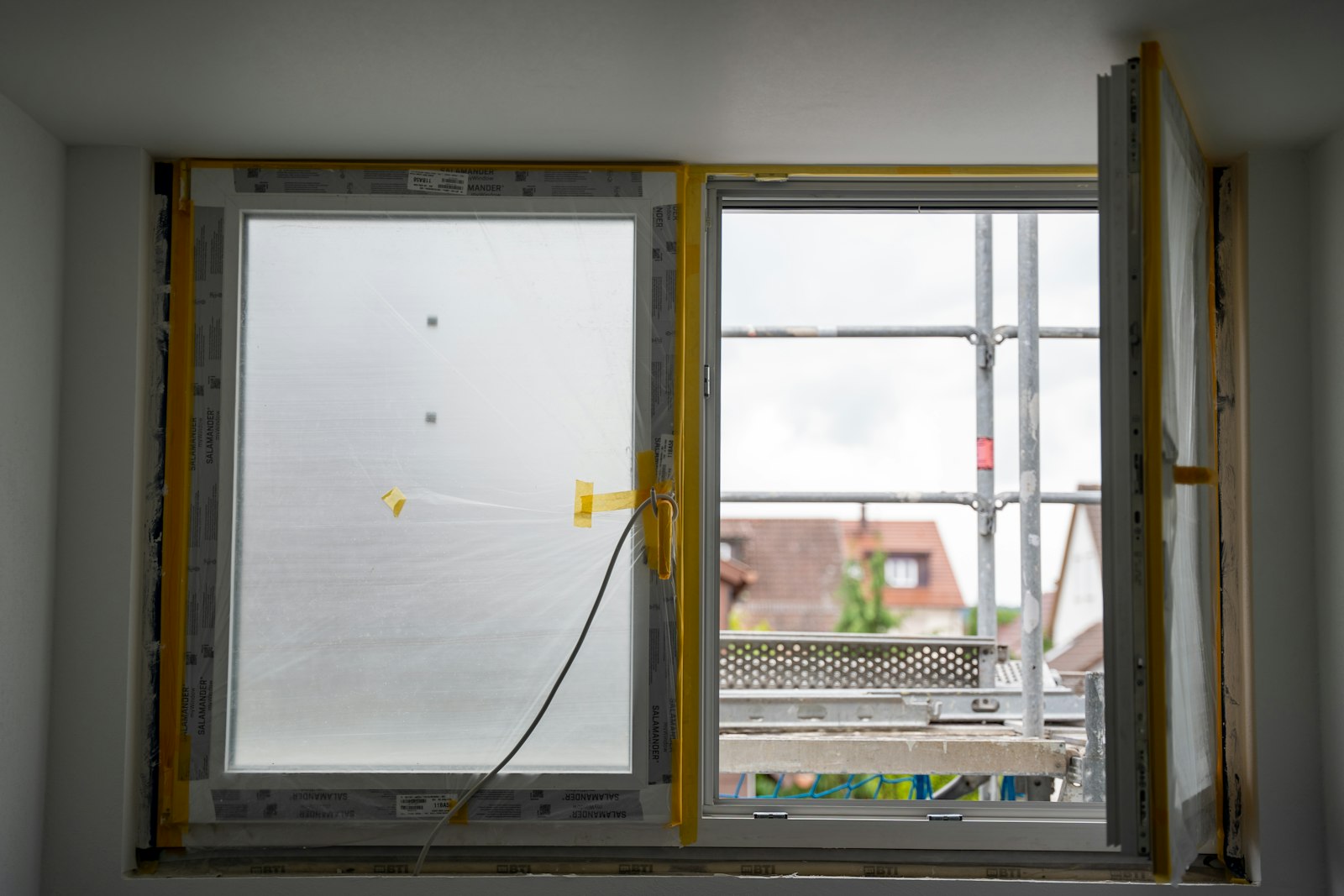
Many European windows are designed without nailing flanges (the common lip around American windows). Instead, they’re installed using straps or screws directly through the frame into the rough opening. While some companies offer optional flanges, most are designed for the face-sealed method.
4. Proper Flashing and Sealing
Because the windows are often flangeless, sealing them correctly is critical. This means using the right waterproof membranes, foams, and tapes to keep out moisture and air. Done well, it creates a weather-tight, airtight fit that enhances the window’s energy efficiency.
Step-by-Step Process Explained
Now that we know the requirements, let’s walk through the actual European window installation process.
Step 1: Preparation
Start by removing the old window and cleaning the opening. Repair any damage to the frame or sill, and confirm that the opening is square and level.
Step 2: Flashing
Install waterproof flashing tape or membranes on the sill, jambs, and head. Always apply them so water naturally drains outward, not inward. Think of it like shingles on a roof; each layer should overlap to shed water away.
Step 3: Set the Window in Place
Carefully lift the window into the opening. Because these windows can be heavy, having a second set of hands is often necessary. Use shims to make sure it’s perfectly plumb, level, and square.
Step 4: Secure the Frame
Depending on the system, you’ll either screw through the frame or attach with mounting straps. Tighten carefully—you don’t want to warp the frame by overtightening.
Step 5: Seal the Edges
Fill any gaps around the frame with low-expansion foam. On the outside, apply sealing tape or silicone caulk to create a waterproof barrier. On the inside, add trim or casing to cover the foam.
Step 6: Test Functionality
Operate the tilt-and-turn mechanism several times. The window should tilt inward smoothly and swing open fully without sticking. If there are issues, now’s the time to adjust.
Step 7: Final Touches
Finish by reinstalling siding, trim, or drywall as needed. Give the glass a clean and step back to admire your new windows.
Common Mistakes to Avoid
Even the best windows won’t perform if they’re installed incorrectly. Here are a few common missteps to steer clear of:
- Misconverting Metric to Inches: A small math mistake can lead to a window that simply doesn’t fit.
- Skipping Flashing: If you don’t seal properly, you risk leaks, mold, and damage down the road.
- Overtightening Fasteners: This can distort the frame and prevent smooth operation.
- DIY Without Experience: While handy homeowners can handle some projects, European window installation has its quirks. Often, hiring a professional ensures the job is done right the first time.
Maintenance After Installation
The good news is, once installed, European windows require very little upkeep. But a little attention goes a long way:
- Clean the Frames Regularly: Use a soft cloth with mild soap and water. Avoid abrasive cleaners that might scratch the surface.
- Lubricate Moving Parts: Hinges, handles, and locks should be lubricated once or twice a year to keep everything running smoothly.
- Inspect Seals and Gaskets: Over time, rubber seals can wear down. Replacing them promptly ensures your windows remain airtight.
- Check the Glass: If you ever notice fogging between panes, it could mean the seal has failed. A glass unit replacement will restore full efficiency.
Conclusion
Learning how to install European windows isn’t just about upgrading your home; it’s about transforming the way you live. With their energy efficiency, modern design, and long lifespan, these windows are more than just a style choice; they’re a smart investment.
The key is making sure the installation is done correctly. From accurate measurements to careful sealing, every step matters. And while ambitious DIYers might be tempted to tackle it themselves, many homeowners find peace of mind in hiring professionals who specialize in European window installation.
Either way, once they’re in place, you’ll enjoy brighter rooms, lower energy bills, and a home that feels more comfortable and secure.
Frequently Asked Questions
Are European windows legal in the U.S.?
Yes, as long as they meet U.S. performance standards and local building codes.
What makes tilt-and-turn windows unique?
They allow you to tilt inward for safe ventilation or swing fully open for easy cleaning and maximum airflow.
How long do European windows last?
With proper care, uPVC windows can last 20–30 years, while aluminum frames may last up to 50 years.
Can I install European windows myself?
It’s possible if you’re very experienced, but many homeowners choose to hire professionals to avoid costly mistakes.
Do European windows add value to a home?
Absolutely. They enhance energy efficiency, improve aesthetics, and are often seen as a premium feature by homebuyers.